



World-Class Technology
We are equipped with all the modern techniques and technologies for infertility treatments. Our top-class IVF lab has recently been upgraded as per the latest international recommendations.

Experienced Doctors & Staff
Dr. Lavleen Sodhi has been running the IVF centre since 2007 & it was the first in the region. With the best team of doctors & staff, we have successfully achieved results at par with the best institutes worldwide.

Patient-Friendly Environment
Dr. Sodhi's Healthcare Multispeciality Hospital and IVF Centre provides the perfect ambience and comfortable environment to all patients. Also, there is complete transparency in the treatment.


![PCOS Myth: If You Have PCOS, You Can’t Get Pregnant ❌
PCOS does not mean you cannot become pregnant. However, it can affect fertility because ovulation may not happen regularly, making it harder to predict the fertile window.
When periods are irregular, tracking ovulation can also become challenging. In many cases, medicines or injections can help stimulate ovulation and support egg development.
If pregnancy still doesn’t occur, further fertility evaluation and treatments such as IUI or IVF may be considered depending on the individual situation.
PCOS may make the journey different, but it does not mean the journey ends.
🏥Dr. Sodhi's Healthcare Multispeciality Hospital and IVF Center
For an Appointment: https://www.ivfmohali.com/
Call Us At 0172-2218044| 0172-5270873| 8146677366
Subscribe to our Youtube channel : https://www.youtube.com/@DrSodhisHealthCare
[PCOS and pregnancy, PCOS fertility, PCOS myths, irregular periods, ovulation in PCOS, PCOS treatment, fertility treatment, IUI, IVF, Dr Sodhi]
#DrSodhi #PCOS #PCOSAwareness #PCOSAndPregnancy #Fertility #Ovulation #IrregularPeriods #IUI #IVF #WomensHealth #DrSodhisHealthcare #IVFCentre #DrSodhisHospital #MultiSpecialityHospital #Hospital #Mohali #Punjab #MohaliHospital #BestHospitalMohali #BestHospital #BestIVFHospitalMohali #IVFHospitalPunjab #DrLavleenKaurSodhi #IVFMohali](https://ivfmohali.com/wp-content/plugins/feeds-for-youtube/img/placeholder.png)
 Myths about IVF Treatment – Debunked December 14, 2022
If you’ve been facing fertility issues and cannot conceive naturally for a while, you might be thinking about turning to IVF. In-vitro fertilization IVF is a type of infertility treatment during which an egg is taken from a woman and is fertilized with a man’s sperm in an IVF laboratory. Once the embryo forms, it is placed back inside the woman’s uterus. It is a straightforward process, but many couples who face infertility are confused about adopting the IVF procedure due to many myths floating about it.
So, let’s talk about the IVF myths!
Myth: IVF pregnancy has more complications
Fact: IVF process does not add any complications to pregnancies. Most of the complications are related to the woman’s age but not the procedure. At a younger age, the success of IVF is also much higher. The best chance of a woman’s healthy pregnancy is when she is less than 35 years of age. At the age of 37 or older, the risk of pregnancy complications increases.
Therefore, patients suffering from infertility issues must not delay seeking medical help as soon as possible. You can visit the best IVF centre in Mohali for your fertility treatment.
Myth: IVF always leads to multiple babies

Fact: It is not true. If IVF is done properly and as per international standards, then there is about a 20% chance of multiple pregnancies. Also, it depends upon the number of embryos transferred. Most of the time, doctor transfer one or two healthy embryos for a successful pregnancy. If the patient has a history of multiple failures, then two to three embryos can be transferred to increase the chance of pregnancy.
Myth: There is an increased risk of birth defects in IVF babies
Fact: With IVF procedures, there is no risk of congenital birth defects. Even, allows preimplantation genetic testing of the embryo to find out the chances of chromosomal defects in high-risk cases. It mostly includes cases when a woman is over 35 years or a male is over 50 years of age. Also, if there is any family history of genetic disorders, then genetic testing is done. But, it has nothing to do with IVF; the babies born through IVF procedure are normal and healthy.
Myth: The medications given during IVF treatment have side effects
Fact: During IVF, the medication is given for egg release may have mild side effects, like mood swings or feeling emotional. But, these effects get sorted once mature eggs are pickup by the doctor. When the procedure completes, and the woman becomes pregnant, these side effects will be gone. Other than that, IVF medications have no long-term side effects. In addition, pregnancy may bring some hormonal changes that are natural, and whatever happens during pregnancy has nothing to do with IVF medications. So, IVF is completely safe and has no negative effect on female health.
Myth: IVF is the only way to conceive with infertility
Fact: In addition to IVF, there are other infertility treatments like IUI that may help couples to conceive. But, IVF is an advanced treatment and it is useful for a woman with unexplained fertility, failed IUI cycles, blocked fallopian tubes, etc. The best gynaecologist in Mohali only recommends IVF after you and your partner have undergone complete fertility evaluations. You may benefit from other procedures, such as laparoscopy surgery to fix structural problems or medications to balance hormones.
Myth: IVF has a 100% success rate
Fact: Any fertility treatment never has a 100 per cent success rate, and IVF is no exception. The success rate of IVF is high in young couples as compared to women of age 37 and older. Also, it will depend on many other factors such as the cause of infertility, hormonal imbalances, and biological conditions responded Dr. Lavleen Kaur at the Dr Sodhi’s IVF centre in Mohali.
Myth: IVF increases the risk of getting ovarian cancer
Fact: There is no established connection between cancer and IVF in any studies or medical research. This is a myth. Couples can make a reasonable number of attempts of fertility treatments without any increased risk of cancer for either the man or woman. There is no risk of cancer for the unborn child either, even in the adult years.
Myth: Overweight women can’t go for IVF
Fact: A woman with no ideal weight can get pregnant and deliver a healthy baby. But sometimes, losing a few kilos help with unexplained infertility and women conceive easily. Weight only becomes an issue if you suffer from a condition called Polycystic Ovarian Disease (PCOD) as it can impact your egg quality. For such patients, doctors recommend weight loss before starting the IVF treatment. Otherwise, an overweight woman can go for IVF and can conceive. if you live in Mohali or Chandigarh, then you can consult the best doctor in Chandigarh for PCOD or PCOS.
Summing up
In the conservative society of India, people are attached to having a child of their own. Also, many young couples are pressured by families to have a baby. But sometimes, due to infertility, couples are not able to conceive naturally after regularly trying for more than 3 to 5 years.
Therefore, it becomes important to consult the best IVF hospital in Mohali or nearby areas to get the right guidance.
FAQs
What is the average number of IVF cycles?Most couples go for three to five IVF cycles. The average number of IVF cycles depends on the egg quality, age of the woman, and overall health of the female. It is better to consult the best IVF doctor in Chandigarh or near you for IVF treatment.
Is it safe to do multiple rounds of IVF?There is no answer to how many rounds of IVF are safe for you. It entirely depends upon you, your body, and your fertility specialist. The best IVF doctor makes sure you stay healthy and recommend more IVF cycles only based on your health.
What age is IVF most successful?The success of IVF depends on many factors, including age, hormones, weight, uterus health, and more. Between the 20s and 30s, the chances of IVF success are higher than choosing IVF in the 40s.
Can sex-selection be done during IVF?X/Y sperm selection is a myth. The only way to determine sex of embryos is by biopsy & PGT which is strictly not allowed by the Indian law. However PGT is done to detect genetically abnormal embryos if genetic diseases run in the family.
How many hospital visits/ how much time is required for one IVF cycle?If there is no time crunch, one assessment cycle is done before the actual treatment. This is in order to assess the ovaries and uterus, especially the uterus lining (endometrium). This involves 2 to 3 visits. Another 4 to 5 visits are required over 15 to 20 days during the actual cycle.
What is the success rate of IVF?Success rates varies with the profile of the couple, i.e. their age, egg and sperm parameters, thickness and quality of endometrium, etc. Success rates have improved markedly over the years and are in the range of 50 to 60% for most couples at a good center. Cumulative pregnancy rates go even higher i.e. pregnancy rates including transfer of all frozen embryos available.
- Everything you Need to Know About Female Infertility December 9, 2022
Female infertility means the inability to get pregnant after trying unprotected sexual intercourse for more than twelve months. Many reasons can lead to female infertility, and assessing them at the right time may help the couple conceive.
Luckily there are many ways to examine, rule out and treat various issues relating to infertility. In addition, you can contact the best gynaecologist in Tricity, who will help you narrow down the problems and advise accordingly. So, keep reading to learn everything you need to know about female infertility.
What Causes Fertility Issues in Females
There are many reasons which lead to various types of infertility in females. Let’s narrow down the most common causes:
Uterus Complications
The uterus is an organ in the female pelvis, which is a pear-shaped cavity. It is also known as the womb when the fetus develops here. Also, it is connected by two fallopian tubes, which bring the ovum from the ovary. It is one of the major female reproductive organs. Therefore, uterus complications are one of the most common issues which lead to female infertility. Some of the common conditions are:
Endometriosis: The tissue lining the uterus grows somewhere else. This can cause abdominal pain and heavy menstrual flow.
Uterine Fibroids: These are non-carcinogenic tumours that occur in the uterus. They cause abdominal pain, menstrual pain, frequent urination and painful intercourse.
Anatomical Issues: Some uteri have septum and unusually shaped uterus since birth.
Ovulation Disorders
The ovaries connected to fallopian tubes produce eggs and female hormones, estrogen, and progesterone, which regulate the female reproductive system. In addition, it regulates the ovulation process, that is, the release of mature eggs from the ovary. Another common reason for female infertility is problems with ovulation. Some of the common issues are:
Polycystic Ovary Syndrome (PCOS)
Polycystic ovary syndrome (PCOS) causes hormonal imbalance, which disrupts ovulation. It’s related to insulin resistance and obesity. Some of its symptoms are weight gain, abnormal hair growth, and acne.
Hypothalamic Dysfunction
The hormones produced by the pituitary gland, namely, (FSH) and luteinising hormone (LH), are responsible for timely ovulation. However, this flow is disrupted due to certain health conditions and a sedentary lifestyle, which can cause female infertility.
Primary Ovarian Insufficiency
It is also known as a premature ovarian failure. It can be a genetic condition or a response to some treatment. This autoimmune response leads to the loss of eggs from the ovary.
Another reason is the production of excess prolactin from the pituitary gland, which decreases oestrogen production significantly. It can be a side effect of medications and treatments.
Fallopian Tube Disorders
Do you know the fallopian tube is the location of fertilisation? The sperm and ovum are fertilised here and then implant in the uterus. However, sometimes there is a blockage in the fallopian tubes, which leads to unsuccessful fertilisation.
Some reasons for the damaged or blocked fallopian tube are infections like chlamydia, gonorrhoea or other sexually transmitted diseases. Also, it can be genetic, the result of some surgeries etc.
Common Female Infertility Symptoms
Here are some common symptoms which may or may not indicate some issues in reproductive health:
- Irregular, less, heavy, or absence of menstrual cycle.
- Hormonal symptoms like acne, hair loss, hair growth in facial regions, change of voice, and weight gain
- Pain during intercourse
You should consult a doctor if you witness any of these symptoms and have been trying to conceive for more than 6 to 12 months.
What Will my Doctor ask During an Appointment to Diagnose Female Infertility?
A gynaecologist will examine the situation, ask some questions and run some tests. Some of the questions a doctor may ask are:
- Have you had any prior pregnancies or miscarriages?
- Is your menstrual cycle normal, painful or irregular?
- Do you have heavy menstrual flow or unusual discharge?
- Do you have any pelvic discomfort?
- Have you had any abdominal surgeries in your history?
Another common question is what tests will my healthcare provider run to diagnose female infertility. The common test may include a blood test, comprehensive physical exam, ultrasound of the uterus, transvaginal ultrasound, laparoscopy, etc.
After ruling out the possible issues, you may be advised to follow a routine, have medication, a surgery or adopt unique types of intrauterine insemination.
Who is at Risk for Female Infertility?
There can be numerous reasons for female infertility, but females having this issues are at a little higher risk:
- Age
- Various types of hormonal imbalance
- Abnormal menstrual cycle
- Excessive weight
- Being underweight
- An anatomical problem from birth
- Smoking
- Sedentary lifestyle
Also, other uterus, fallopian, ovary, and reproductive system problems can lead to female infertility.
Some lifestyle Changes for Healthy Reproductive Health
Narrowing down the causes of infertility is very important. However, a healthy lifestyle will help control and prevent fertility issues. You can gradually practice these habits:
Quit Smoking
Tobacco contains elements that lead to hormonal imbalance, deteriorate the female egg, and much more. Apart from widespread negative impacts on health, it especially makes it difficult to conceive. So quitting smoking will be a very progressive step.
Limiting the Alcohol
Alcohol disrupts the hormones and leads to an imbalance in ovulation. As a result, frequent consumption of alcohol may lead to female infertility. So, avoid or limit its use to control the issues.
Include Moderate Exercise
A moderate workout having complete body exercise will help a lot. It helps to release good hormones and keep PCOS, fibroids and ovulation in check. Staying active is essential if you want to improve your fertility.
Weight Extremes can be Dangerous
Being too extreme with weight can mess up reproductive health. Neither obesity nor being underweight is good for the reproductive system. Obesity increases the risk of hormonal problems. On the other hand, being underweight may lead to unsuccessful implantation and miscarriage of the foetus. So, maintain a healthy weight according to your BMI.
Keep a Check Your Diet
Having caffeine-rich drinks, processed junk food etc., can take a toll on reproductive health So, moderation is the key; you must limit excess junk and caffeine. A wholesome diet with carbohydrates, vitamins, protein, fibres, and all the nutrients is essential.
So, if you’re having problems conceiving or any other reproductive issue, reach the best lady doctor in Mohali. As the best gynaecologist in Mohali, we will help you assess and work towards fertility solutions.
 Complete Guide to PCOD/PCOS – Symptoms, Causes, Diagnosis, and Treatments December 6, 2022Polycystic Ovarian Disease(PCOD) and Polycystic Ovary Syndrome (PCOS) have become common terms in the last decade. Both conditions affect female ovaries, reproductive health, and certain hormones. However, these situations can be managed by ruling out the causes and seriousness and starting effective medications. So, consulting a doctor for a thorough examination is highly advisable. You can contact the best gynaecologist hospital in Mohali, Dr Sodhi’s Health Care which has an experienced team of doctors. So, let’s uncover symptoms, causes, diagnosis, and treatments of PCOS/PCOD so you can identify it.
Are PCOD and PCOS the Same?
Before addressing all the issues related to PCOS and PCOD, you must understand the difference between PCOS and PCOD. Generally, everyone needs to understand and believe these two terms are the same without realising some minor difference between them. So, let’s learn in-depth about them.What is PCOD?
Do you know about one-third of all menstruating women around the globe have PCOD? PCOD (Polycystic Ovarian Disease) is a condition in which ovaries release immature or partially-mature eggs, which create cysts. Generally, both ovaries produce an egg alternately every month, but when this cycle is disrupted, PCOD occurs. This irregular release of egg leads to swelling of ovaries and increases male androgen, which affects reproductive health.What is PCOS?
PCOS (Polycystic Ovary Syndrome) is much more serious and rare than PCOD, and every 4%-20% of women of reproductive age worldwide have PCOS. It results from the hormonal imbalance that leads to the excess production of male hormones. Therefore, it hinders the development and release of eggs from ovaries and creates cysts. It also leads to swelling of ovaries and other problems.Difference Between PCOD/PCOS
Although they seem very similar, there is a huge difference that further identifies the problems’ causes. In PCOD, for some reason, the ovaries release immature eggs, leading to hormonal imbalance. On the other hand, PCOS is an endocrine issue(hormonal imbalance) that further leads to ovaries producing extra male hormones. PCOS may also welcome metabolic syndrome, which can also lead to heart disease, strokes, diabetes and sleep apnea.Symptoms of PCOS/PCOD
One thing common in both conditions is that it leads to the release of immature eggs, excess male hormones, swelling of ovaries and related issues. So, some of the common symptoms of both conditions are:- Irregular menstruation (Oligomenorrhea)
- Absence of menstruation (Amenorrhea)
- Very heavy menstrual bleeding (Menorrhagia)
- An increase in me hormones may show gradual hair growth in the face, body, chest, back
- Facial acne
- Sudden weight gain
- Hair loss
- Infertility issues
- Skin darkening in areas like the neck, groin, and under the breast.
Diagnostic Methods of PCOS/PCOD
Females witnessing the above-listed symptoms must visit the best gynaecologist near them. There can be many reasons for the above symptoms, and PCOD/PCOS may or may not be among them. Diagnostic methods like a blood test for hormones, triglycerides, total cholesterol levels and glucose tolerance are performed. Moreover, ultrasounds are carried on to check cysts in the ovaries and the uterus lining. Additional tests like the PCOD profile test may be suggested based on the report’s conclusions. The results will narrow down the course of treatment. So, visiting a doctor is advised to control the issue and prevent future complications.Causes of PCOD/PCOS
Does everyone wonder what the main reason for PCOD is? Well, there is not a single reason and many contributing factors. Some of the common accuses of PCOD/PCOS are:Heredity
PCOS/PCOS are related to some genetic correlations. So, if your immediate family has a history of the condition, the chances are that you can have it. But, timely advice from doctors and lifestyle change can help to control it.Insulin Resistance
Excess insulin production produces high levels of androgens. Therefore, the increase in male hormones leads to irregularities in the function of the ovaries and creates cysts. So, checking and controlling as early as possible is advisable.Lifestyle
Many females start to notice the symptoms of PCOD/PCOS when they gain weight. Not having a healthy weight triggers insulin and androgens. So, having an active lifestyle while maintaining weight is advisable.Best Methods to Control PCOS/PCOD
PCOS can be controlled by diet and lifestyle modifications after diagnosing it with the right medical help. Some of the best methods to keep it in check are:Staying Active
Staying active and daily workout is quite beneficial. It will keep your blood sugar in check and is great for hormonal health. You can include light exercises, yoga, weight training, cardiovascular exercise and high-interval training with a weekly schedule.Maintaining Healthy Weight
Another important way of controlling PCOS/PCOS is losing a few kilos. It will help you avoid lifestyle diseases and manage the condition. So, adding a nutritious diet with some exercise is recommended.Check on Diet
A diet full of carbs, glutens, and sugars may worsen the case of PCOD/ PCOS. So, avoid sugary, starchy, and processed food. Additionally, junk food has high preservatives and carbs, which are not good for PCOS/PCOD. A healthy diet will help to maintain insulin levels and help to handle the condition. A rich fibrous diet, good fats and anti-inflammatory food must be in your diet plan.Can a Woman Get Pregnant with PCOD?
Yes, having PCOD/PCOS doesn’t mean you can’t get pregnant. Often women wonder, is PCOD a serious problem? If treated at the right time, it can be managed. You may face some difficulty conceiving, but after narrowing down the severity, you can work on it. You can control the condition with a professional line of treatment and lifestyle changes. It’s a treatable issue; you must visit the best doctor to start the treatment. Self-diagnosing and working on it will be unfruitful. So, a proper diagnosis, examination of medical history, and expert advice are highly recommended. So, to know more about PCOS/PCOS and gain valuable advice, contact the best gynaecologist doctor in Mohali; Dr Sodhi’s Health Care is here for you with an expert team, state-of-the-art techniques and experience.

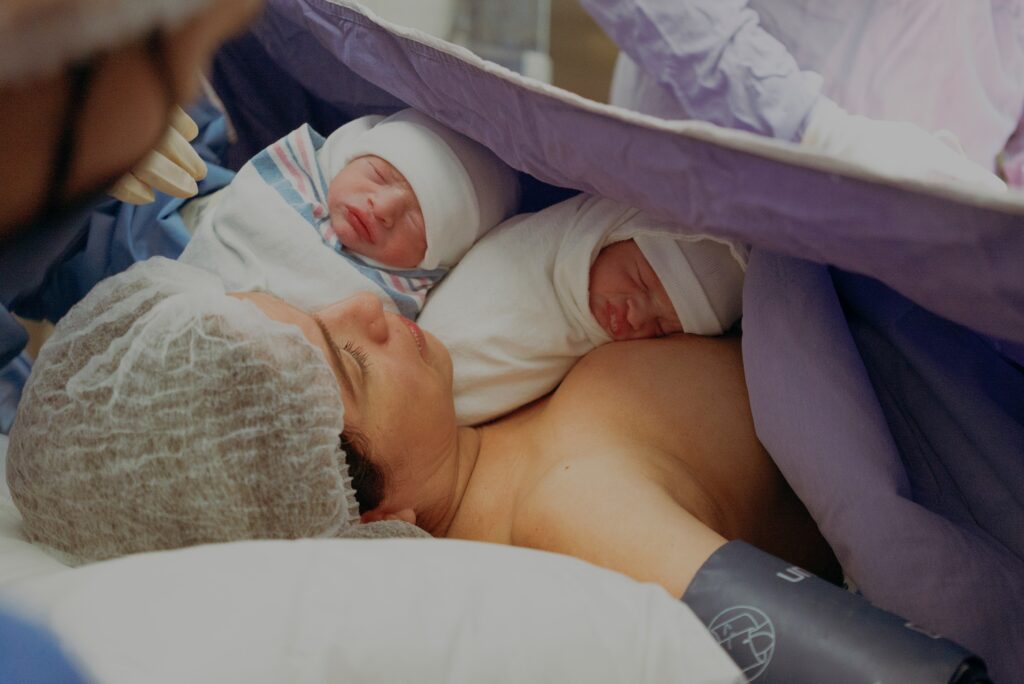




After facing delays and being unable to access timely medical procedures in Canada, I made the decision to return to India for my laparoscopic myomectomy. I am truly grateful to Dr. Anita Mahey, a gifted and highly skilled surgeon in Chandigarh, who guided me and recommended Sodhi Hospital for my procedure.
The nursing staff—especially Beant Kaur, Manpreet Kaur, along with the OT nurses and the rest of the team—were incredibly diligent, compassionate, and always maintained a positive attitude. Their care made a significant difference in my recovery.
I would also like to acknowledge that the positivity and kindness of everyone at the hospital—from nurses to canteen staff—created a comforting environment that truly supports healing.
Highly recommended for anyone seeking quality care and a supportive medical team.



Thank you Dr. Sodhi Hospital, Staff and Management for providing the best treatment and care. 🤗

The whole staff's dedication to the patients is inspiring.
Each and every person working in Sodhi's healthcare centre is very much caring.THOSE WHO ARE LOOKING FOR A BEST GYNECOLOGIST, PLEASE VISIT SODHI 'S HEALTH CARE.



Staff was also all time available in need.
The hospital has all the facilities and requirements, hygiene is also well taken care of.


Utmost reasonable cost. An affectionate healing touch and bond-like behaviour from Dr. Harpreet, Dr. Sodhi and Dr. Arsh preet Dhiman as well. God bless this clinic to spread many more smiles on others faces.




They explained everything very well, gave the proper medications and care and ensured a Normal Delivery for my First Child
We are very thrilled with them and have recommended them to our family and friends who ask
Dr Loveleen and Dr Harpreet are extremely knowledgeable





Warm regards,
Bhawana





Lastly they even charge for first post surgery consultation which they told was included in package they had given to me but denied afterwards.











Her team, including Dr. Harpreet Kaur and Dr. Palwinder kaur, were also incredibly caring and supportive. Throughout my journey from conception to delivery, they guided me with compassion and professionalism.
The nursing staff at the hospital were equally impressive, providing cooperative and caring service and had good experience with housekeeping services especially room cleanliness.
Thank you to the entire team for making my delivery experience so smooth and stress-free. I always recommended to visit this hospital for getting good services.










Following my C-section delivery, I was unable to breastfeed my baby and needed assistance. The night nurses left my baby hungry for over 5 hours and ignored our calls for help, only to later comment that he was crying excessively because he was supposedly full. This level of negligence is unacceptable.
The hospital mandates that nurses help babies latch for breastfeeding, which is a positive initiative. However, the execution was terrible. The nurses were forceful, and one even hit my baby near the ear. When I objected, she claimed that babies don’t feel pain, ignoring the fact that my baby was crying in distress. Due to this traumatic experience, my baby never managed to latch properly and I had to resort to formula feeding.
The pediatrician only checked on the baby once, despite being expected to visit daily and provide discharge instructions. He also failed to advise us to start the mandatory vitamin D medication for the baby. Due to this negligence, my baby experienced jaundice after a few days and was admitted to another hospital for another 3 days.
More than 1.5 years later, I still feel the pain and trauma from this experience. Additionally, the staff’s habit of calling patients "Rajje" was disrespectful, especially since many patients were older and deserved respect.
I cannot recommend this hospital for delivery procedures due to the unprofessional and insensitive behavior of the nursing staff.

Dr. Lavleen kaur gave me all the best treatment and advices on each step of pregnancy. She highly skilled in her field and very kind and helpful.
Dr. Harpreet also provided us with full care and support both emotinally and morally.
They both made this journey of pregnancy a worry free process and provided me with full mental comfort.
The facility they run is great and staff is awesomely caring and supportive.
I am very pleased to deal with them and wish that like me whoever comes to them gets their wish to become patents fulfilled.
God bless them and im highly thankful to Dr. Lavleen, Dr harpreet and their team.😊


Thank you
Regards
Dr.Pratibha
